API-First Development: Building Products That Scale and Integrate
Most scaling problems don’t start with traffic.
They start with architecture choices made too early—and never revisited.
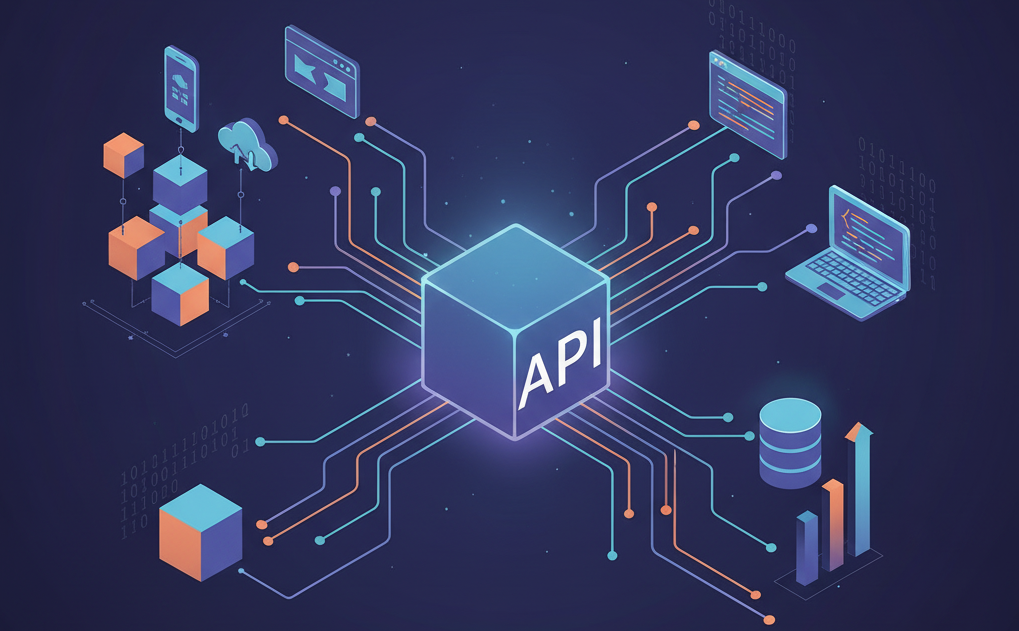
API-first development flips the traditional build order. Instead of designing a UI and bolting APIs onto it later, you design the API as the product, then build everything else around it.
This approach has quietly become the default for companies that scale smoothly, integrate easily, and move fast without constant rewrites. This guide explains what API-first development is, why it matters, and how to apply it without overengineering.
Plug-and-Play Development Talent for Your Team
What Is API-First Development?
API-first development is an architectural approach where APIs are designed, reviewed, and agreed on before any application logic or UI is built.
The API becomes the contract.
Everything else—web apps, mobile apps, partner integrations, internal tools—consumes that contract.
This is fundamentally different from:
- Building a monolith first
- Exposing internal endpoints later
- Treating APIs as a side effect of the UI
In API-first development, the API is the interface.
Why API-First Development Matters Now
Products Are No Longer Single-Channel
Modern products rarely live in one place.
They span:
- Web apps
- Mobile apps
- Third-party integrations
- Internal services
- Automation and AI agents
An API-first approach makes these channels first-class citizens instead of afterthoughts.
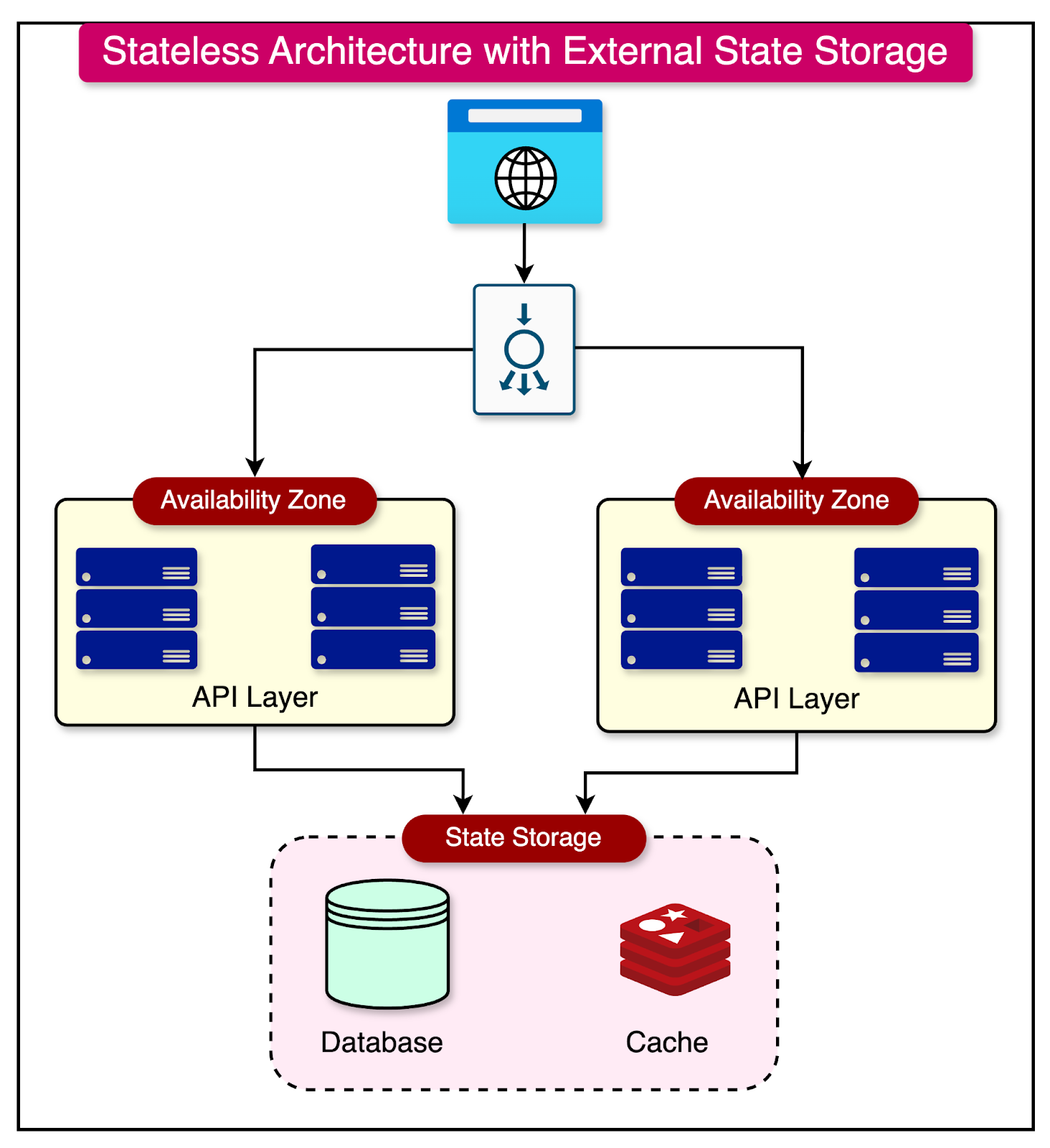
Scalability Is Easier When Boundaries Are Clear
When APIs are designed upfront:
- Service boundaries are explicit
- Data ownership is clear
- Dependencies are easier to reason about
This directly supports scalable architecture, both technically and organizationally.
API-First vs Code-First vs UI-First
Understanding the contrast helps clarify the value.
UI-First Development
- UI is designed first
- APIs evolve organically
- Integration comes later
This often leads to tightly coupled systems and fragile endpoints.
WorkSub - 30% cost savings vs traditional agencies
Code-First Development
- Backend logic is written first
- APIs are derived from internal models
This works short-term but often exposes implementation details that are hard to change later.
API-First Development
- API is designed and validated first
- UI and services conform to it
This creates long-term flexibility at the cost of a bit more upfront thinking.
Core Benefits of API-First Development
Faster Parallel Development
Frontend, backend, and integration teams can work at the same time once the API contract is defined.
This reduces:
- Blocking dependencies
- Last-minute changes
- Integration surprises
Cleaner Integrations
Well-designed APIs are easier to:
- Document
- Test
- Version
- Extend
This matters whether you’re integrating with partners or future internal teams.
Plug-and-Play Development Talent for Your Team
Better Long-Term Maintainability
API-first systems age better because:
- Changes are intentional
- Breaking changes are controlled
- Clients aren’t tied to internal logic
This is a major reason mature SaaS platforms adopt API-first patterns early.
API Design Principles That Actually Matter
Good API-first development depends on solid API design principles. These matter more than frameworks or protocols.

Consistency Over Cleverness
- Predictable naming
- Uniform response structures
- Standard error handling
Consistency reduces cognitive load for every consumer.
Explicit Contracts
Define:
- Required vs optional fields
- Error cases
- Rate limits
- Authentication rules
If it’s not documented, it’s not reliable.
Loose Coupling
APIs should describe what happens, not how it’s implemented.
This allows backend systems to evolve without breaking consumers.
Designing APIs for Scalable Architecture
Think in Resources, Not Endpoints
Model APIs around resources and behaviors, not UI screens.
Good:
/users/{id}/subscriptions
Bad:
/getUserSubscriptionPageData
Resource-based design supports reuse and future channels.
Plan for Versioning Early
Even if you don’t version immediately, design as if you will.
That means:
- Avoiding breaking changes
- Adding fields instead of replacing them
- Treating removal as a major event
Versioning discipline is what keeps APIs stable at scale.
API-First Implementation Strategy
Start With an API Specification
Before writing code:
- Define endpoints
- Define schemas
- Define auth and errors
Tools don’t matter as much as clarity. The goal is alignment.
Mock Before You Build
Mock APIs let teams:
- Validate assumptions
- Test flows early
- Catch design issues cheaply
This is one of the biggest hidden advantages of API-first development.
Treat APIs as Products
APIs need:
- Documentation
- Change logs
- Ownership
- Feedback loops
Internal APIs deserve the same care as public ones.
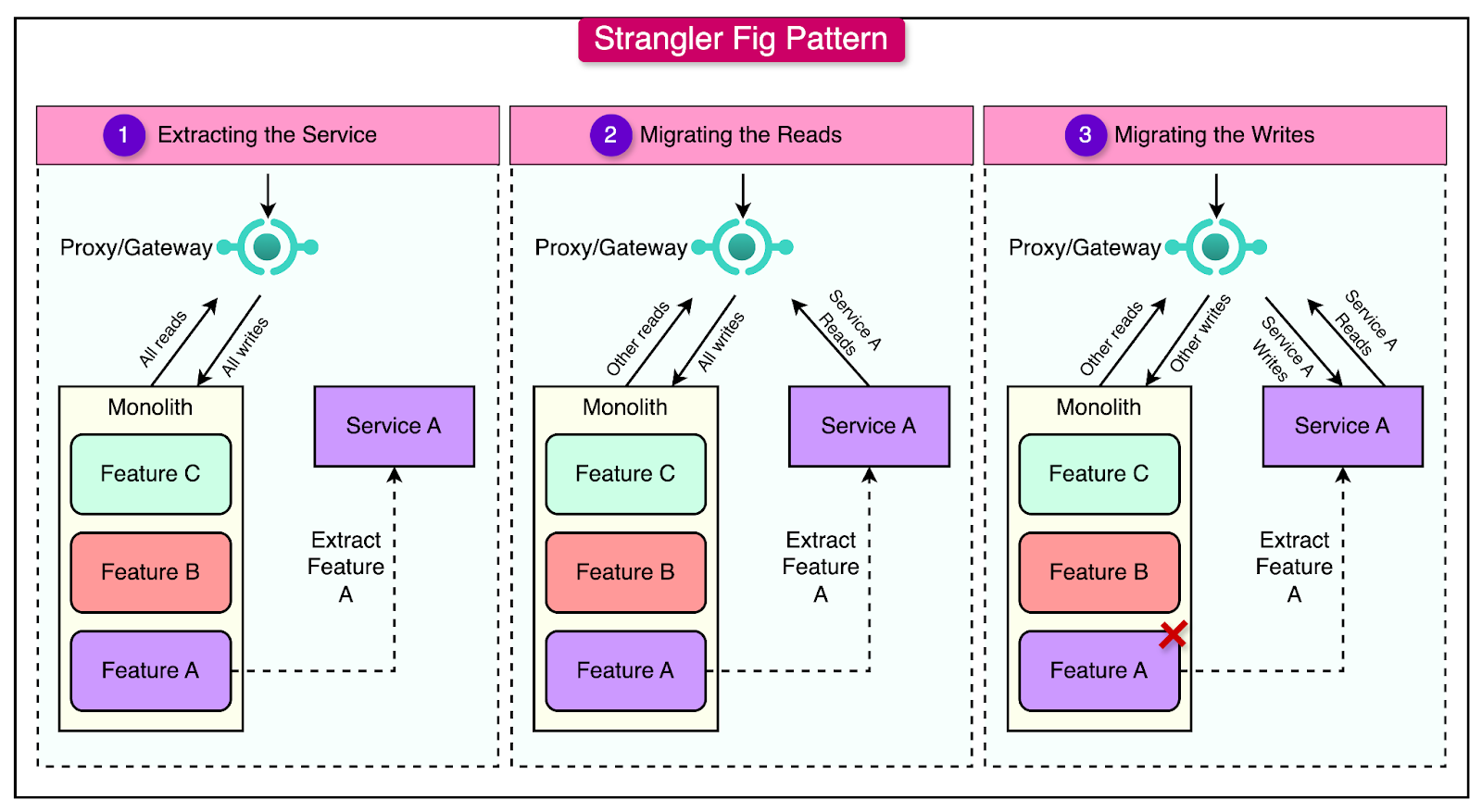
Think in this sequence:
Business capability
→ API contract
→ Service implementation
→ Clients and integrations
When this order is reversed, complexity compounds quickly.
Common API-First Mistakes to Avoid
- Designing APIs around UI needs only
- Exposing database models directly
- Skipping documentation until “later”
- Treating APIs as internal-only and disposable
API-first only works when APIs are respected as long-lived assets.
WorkSub - 30% cost savings vs traditional agencies
FAQs: API-First Development Explained
What is API-first development in simple terms?
API-first development means designing and agreeing on APIs before building applications, so all systems integrate cleanly from the start.
Is API-first only for large companies?
No. Small teams benefit just as much by avoiding rewrites and enabling future integrations early.
Does API-first slow down development?
Slightly at the beginning, but it significantly speeds up development as products grow.
How does API-first support scalability?
Clear boundaries, loose coupling, and versioning make systems easier to scale without breaking consumers.
Do you still need a frontend-first mindset?
Frontend needs still matter—but they consume APIs instead of shaping them.
Conclusion: API-First Is an Investment in Future Speed
API-first development isn’t about building more APIs.
It’s about building better boundaries.
Teams that adopt API-first principles:
- Integrate faster
- Scale with fewer rewrites
- Support more platforms with less friction
If your product needs to grow, integrate, or evolve, API-first development is one of the highest-leverage architectural decisions you can make.