Continuous Improvement: Building a Culture of Product Iteration
Why Product Iteration Is No Longer Optional.
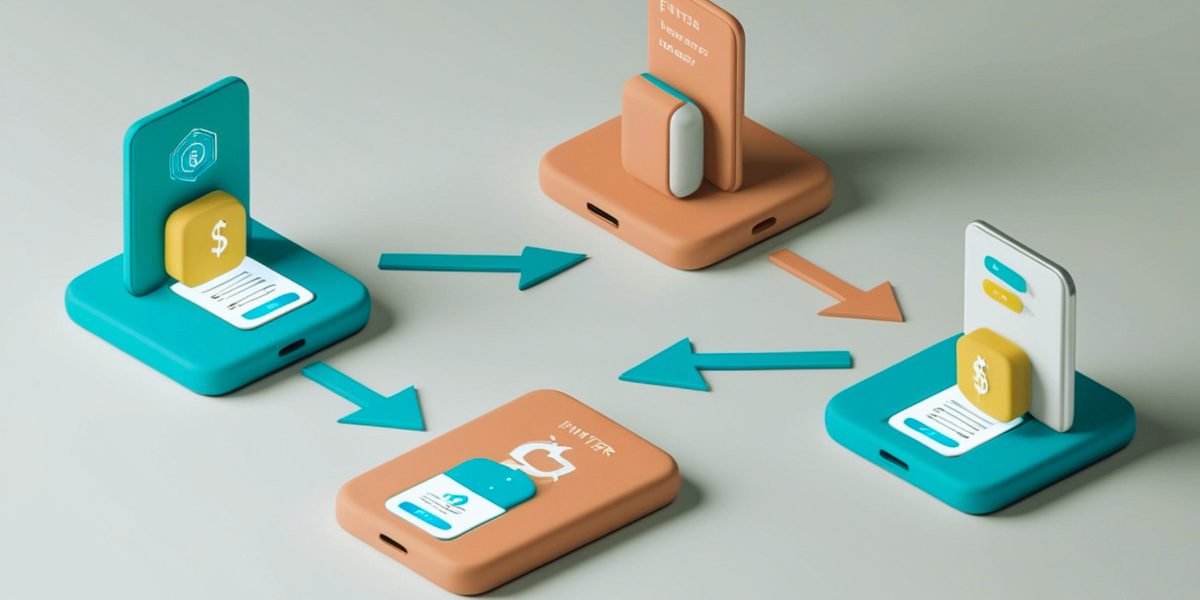
The most successful tech products today are not built once—they are continuously refined. From SaaS platforms to consumer apps, winning teams treat product development as an ongoing loop of learning, testing, and improving.
Continuous improvement is no longer a “nice-to-have” mindset. It’s a competitive necessity driven by faster user feedback, shorter release cycles, and rising expectations around usability and performance. Companies that master the product iteration process ship better features faster, reduce risk, and compound learning over time.
This guide breaks down how to build a real culture of product iteration—covering feedback loops, experimentation frameworks, and release cycles—so teams can scale improvement without chaos.
What Continuous Improvement Means in Modern Product Development
Continuous improvement in product teams is the disciplined practice of making small, frequent, evidence-based changes instead of large, infrequent releases.
At its core, it combines three principles:
- User feedback as a constant input
- Rapid experimentation over assumptions
- Iterative releases instead of “big bang” launches
In agile product development, improvement isn’t a phase—it’s the operating system.
Continuous Improvement vs. One-Time Optimization
One-time optimization asks:
“How do we perfect this feature before launch?”
Continuous improvement asks:
“What did we learn this week, and how do we apply it next?”
That shift reduces wasted effort and aligns product decisions with real user behavior instead of internal opinions.
WorkSub - 30% cost savings vs traditional agencies
The Product Iteration Process: A Practical Framework
A strong product iteration process follows a repeatable loop that teams can execute weekly or biweekly.
Step 1: Capture High-Signal Feedback
Not all feedback is equal. The goal is to collect actionable signals, not noise.
High-value sources include:
- In-product behavioral data
- Support tickets and chat logs
- Customer interviews
- NPS and CSAT verbatims
- Sales call objections
Avoid relying only on surveys. Behavioral data often reveals friction users won’t articulate.
Step 2: Form Clear Hypotheses
Every iteration should start with a testable statement:
“If we change X, we expect Y outcome because Z.”
Example:
“If we reduce onboarding steps from five to three, activation will increase because users reach value faster.”
This discipline keeps teams focused on outcomes, not opinions.
Step 3: Experiment in Small Batches
Instead of shipping large features:
- Run A/B tests
- Release behind feature flags
- Test with a small user cohort
This approach minimizes downside while maximizing learning speed.
Step 4: Measure What Actually Matters
Tie experiments to metrics that reflect real value:
- Activation rate
- Retention cohorts
- Feature adoption
- Time-to-value
- Revenue impact
Avoid vanity metrics like raw clicks or impressions unless they connect to outcomes.
Plug-and-Play Development Talent for Your Team
Step 5: Release, Learn, Repeat
Once results are clear:
- Roll forward successful changes
- Kill or revise failed experiments
- Document learnings for future cycles
Iteration only compounds when insights are captured and reused.
Feedback Loops That Power Continuous Improvement
High-performing teams design intentional feedback loops instead of relying on ad-hoc input.
Fast Feedback Loops (Daily to Weekly)
- Feature usage analytics
- Error monitoring
- Support interactions
- Session recordings
These loops help teams react quickly to friction and bugs.
Slow Feedback Loops (Monthly to Quarterly)
- Retention and churn analysis
- Customer interviews
- Roadmap reviews
- Market and competitive insights
Together, fast and slow loops create a balanced view of product health.
Experimentation as a Cultural Muscle
Iteration fails when experimentation is treated as a side project instead of a core habit.
To build experimentation into culture:
- Reward learning, not just wins
- Share failed experiments openly
- Standardize experiment templates
- Make results visible across teams
Teams that fear failure stop iterating. Teams that normalize learning accelerate.
Release Cycles in Agile Product Development
Modern agile product development favors continuous delivery over rigid release schedules.
Common models include:
- Weekly or biweekly releases
- Trunk-based development
- Feature flags for gradual rollout
- Canary releases for risk reduction
Shorter release cycles reduce risk because problems surface earlier—when they’re cheaper to fix.
Choosing the Right Continuous Improvement Software
The right tooling supports iteration without creating overhead.
Effective continuous improvement software typically includes:
- Product analytics and funnels
- Experimentation and A/B testing
- Feedback collection
- Roadmap visibility
- Collaboration between product, engineering, and support
The goal is not more tools—but better signal flow between users and builders.
Visual Framework: The Continuous Product Iteration Loop


Framework Overview:
- User Feedback & Data
- Hypothesis & Prioritization
- Experimentation
- Measurement
- Release & Learning
- Loop back to Feedback
This closed loop ensures learning compounds with every release.
Common Mistakes That Break Iteration Culture
- Shipping without success metrics
- Treating feedback as anecdotal
- Over-prioritizing roadmaps over outcomes
- Running experiments without documentation
- Releasing too infrequently to learn
Most iteration failures are cultural, not technical.
FAQs: Continuous Improvement & Product Iteration
What is the product iteration process?
The product iteration process is a repeatable cycle of collecting feedback, testing hypotheses, releasing improvements, and measuring outcomes to continuously refine a product.
How does continuous improvement support agile product development?
Continuous improvement aligns with agile by enabling small, frequent releases, fast feedback loops, and rapid learning instead of long development cycles.
What metrics are best for product iteration?
High-signal metrics include activation rate, retention, feature adoption, time-to-value, and revenue impact—metrics tied directly to user and business value.
How often should product teams iterate?
Most high-performing teams iterate weekly or biweekly, depending on product complexity and release infrastructure.
What tools support continuous improvement software workflows?
Product analytics, experimentation platforms, feedback tools, and roadmap systems all support continuous improvement when integrated into daily workflows.
Conclusion: Turning Iteration Into a Competitive Advantage
Continuous improvement is not about moving faster—it’s about learning faster.
Teams that build strong feedback loops, experiment deliberately, and release frequently create products that adapt naturally to users and markets. Over time, iteration compounds into a durable competitive edge.
If you’re building digital products, the question is no longer whether to iterate—but how disciplined your iteration process really is.
Next step: Audit your current feedback loops and release cadence. One small improvement this week can unlock better decisions for the next year.