How to Create a Product Requirements Document (With Template)

Most product failures don’t start in engineering.
They start with unclear requirements.
A weak or vague Product Requirements Document (PRD) leads to scope creep, missed expectations, slow delivery, and endless rework. A strong PRD, on the other hand, becomes a single source of truth that aligns product, design, engineering, and stakeholders.
This guide shows you how to write a Product Requirements Document step by step, with a practical PRD template you can reuse for almost any software project.
Plug-and-Play Development Talent for Your Team
What Is a Product Requirements Document (PRD)?
A Product Requirements Document (PRD) describes what a product should do, who it’s for, and why it matters—without dictating how it must be built.
A good PRD answers three questions clearly:
- What problem are we solving?
- Who are we solving it for?
- What does success look like?
It sits between strategy and execution, translating business goals into actionable requirements for delivery teams.
When You Should Use a PRD (And When You Shouldn’t)
PRDs are most valuable when:
- Multiple teams are involved
- Requirements impact timelines or cost
- Decisions must be documented and revisited
You may not need a full PRD for:
- One-off bug fixes
- Very small UI tweaks
- Experiments with no downstream dependency
When in doubt, write the PRD. Clarity is cheaper than rework.
The Anatomy of an Effective PRD
A strong PRD is structured, concise, and outcome-driven. These sections form the backbone of most successful documents.
1. Problem Statement and Context
What This Section Does
It explains why the product or feature exists.
Without a clear problem statement, teams optimize for features instead of outcomes.
What to Include
- The problem being solved
- Who experiences the problem
- Why it matters now
Example
“The current onboarding flow causes a 35% drop-off before account activation, limiting user retention and paid conversion.”
This anchors every requirement that follows.
WorkSub - 30% cost savings vs traditional agencies
2. Goals and Success Metrics
Why Metrics Belong in the PRD
If success isn’t measurable, alignment breaks down.
What to Define
- Primary goal (business or user outcome)
- Supporting metrics
- Guardrails (what not to optimize)
Examples
- Reduce onboarding drop-off by 20%
- Increase feature adoption within 14 days
- Maintain page load under 2 seconds
Metrics keep scope focused and tradeoffs explicit.
3. Users, Personas, and Use Cases
Who This Product Is For
You don’t need elaborate personas—but you do need clarity.
What to Capture
- Primary user type
- Secondary users (if any)
- Core use cases
Example Use Case
“As a new user, I want to complete onboarding in under five minutes so I can start using the product immediately.”
This level of specificity prevents assumption-driven decisions.
4. Functional Requirements
The Core of the PRD
Functional requirements describe what the product must do, not how it’s implemented.
How to Write Good Requirements
- Use clear, testable language
- Avoid technical implementation details
- Number requirements for reference
Example
- The system must allow users to save progress during onboarding
- The system must send a confirmation email within 2 minutes
If it can’t be tested, it’s not a requirement.
5. Non-Functional Requirements
Often Forgotten, Always Critical
Non-functional requirements define constraints and quality standards.
Common Categories
- Performance
- Security
- Accessibility
- Compliance
- Scalability
Plug-and-Play Development Talent for Your Team
Examples
- Pages must load in under 2 seconds on 4G
- All forms must meet WCAG AA accessibility standards
These requirements protect the long-term health of the product.

6. Out of Scope and Assumptions
Why This Section Saves Projects
Anything not explicitly excluded is assumed to be included.
What to List
- Features not included in this phase
- Dependencies on other teams or systems
- Known constraints
This is one of the most powerful ways to prevent scope creep.
PRD Visual Framework: How Everything Connects
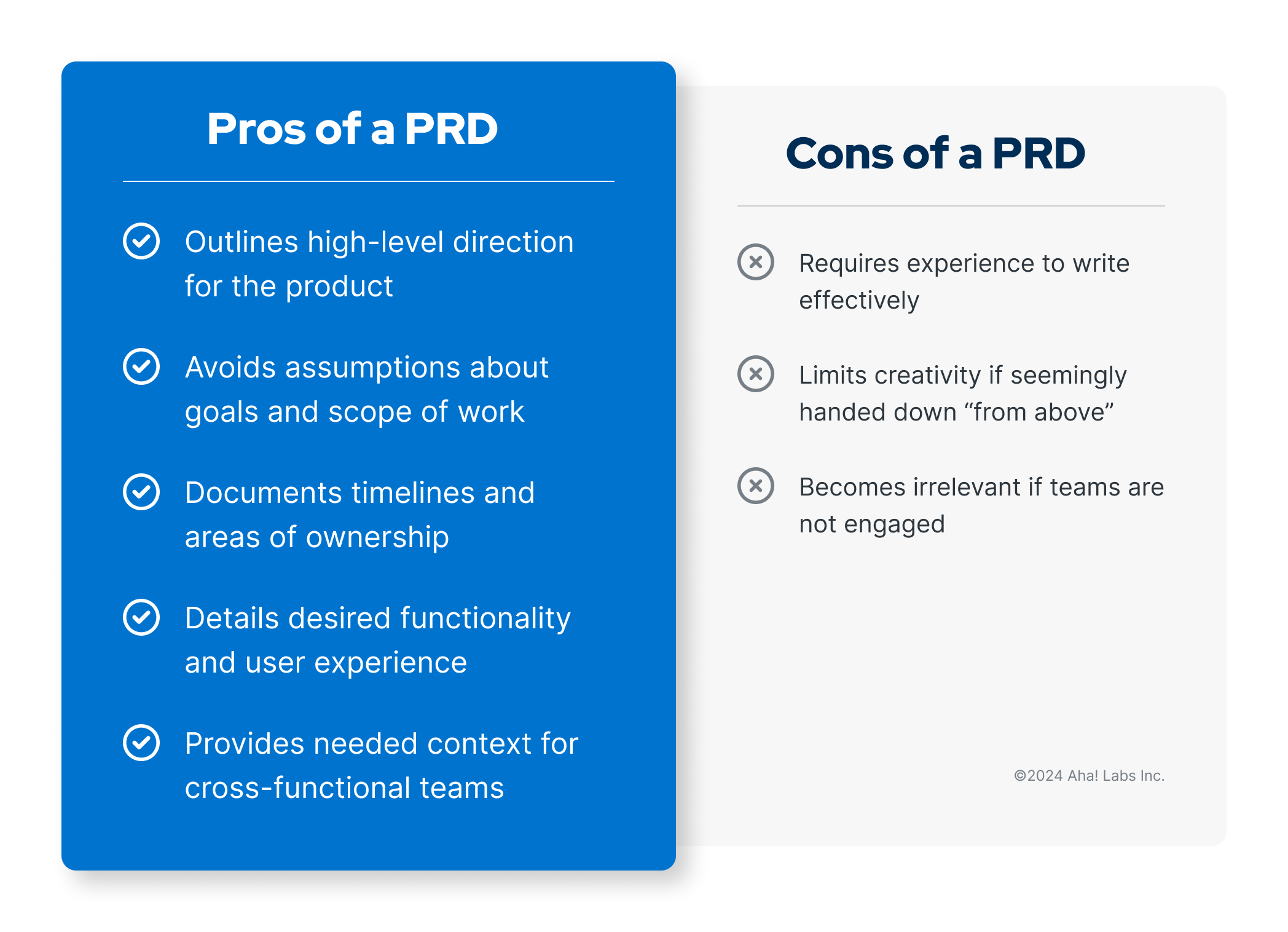
Think of the PRD as a flow:
Problem → Goals → Users → Requirements → Constraints → Success
If any link is weak, delivery suffers.
Template: https://techmoca.com/a-simple-product-requirements-document-template/
Common PRD Mistakes to Avoid
- Writing solutions instead of requirements
- Being vague to “stay flexible”
- Skipping success metrics
- Treating the PRD as static
A PRD should evolve—but changes should be visible and intentional.
FAQs: Product Requirements Documents Explained
What is the difference between a PRD and a software requirements document?
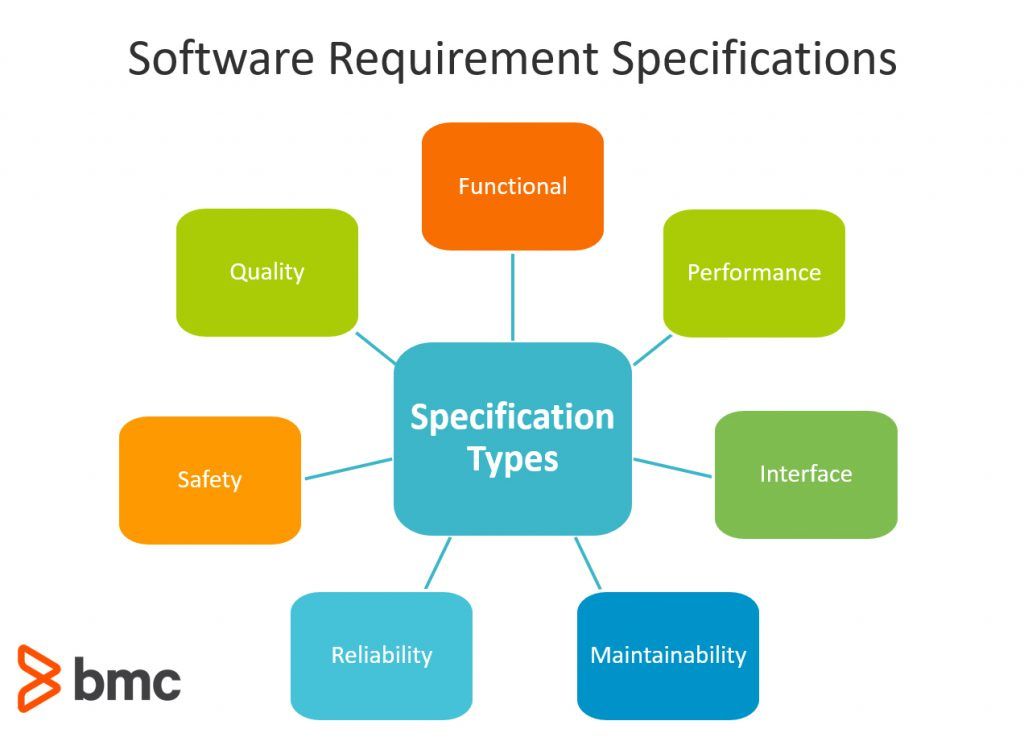
A PRD focuses on product outcomes and user needs. A software requirements document is usually more technical and implementation-focused.
How detailed should a PRD be?
Detailed enough that engineering can estimate and build without guessing—but not so detailed that it dictates design or code.
Who owns the PRD?
Typically a product manager, but it should be reviewed and validated by design, engineering, and stakeholders.
Can agile teams use PRDs?
Yes. PRDs provide alignment and context. Agile determines how work is delivered, not whether documentation exists.
Should PRDs include user stories?
They can. User stories are useful for illustrating behavior, but they shouldn’t replace clear requirements.
Plug-and-Play Development Talent for Your Team
Conclusion: A Good PRD Is a Force Multiplier
A Product Requirements Document isn’t bureaucracy.
It’s leverage.
The best teams write PRDs to:
- Align fast
- Decide clearly
- Build with confidence
If you want fewer rewrites, smoother delivery, and better outcomes, start with a stronger PRD.