Post-Launch: What to Do in the Critical First 90 Days

Launch day feels like the finish line. It isn’t.
The first 90 days after release determine whether a product gains traction, quietly stalls, or collapses under technical debt and user frustration. This is the window where real usage replaces assumptions—and where teams either learn fast or fall behind.
This guide lays out a clear, time-based post-launch strategy you can follow day by day and week by week. It focuses on what actually matters after a product launch: stability, support, learning, and disciplined iteration.
Days 1–7: Stabilize, Monitor, and Respond
The first week is about containment. Your goal is not growth—it’s stability.
System Monitoring and Health Checks
Immediately after launch, confirm that the system behaves as expected under real traffic.
Focus on:
- Error rates and failed requests
- Page load times and API latency
- Infrastructure scaling behavior
- Third-party dependencies
Set up alerts for anything that can block core user flows. Silence is not success—visibility is.
Bug Triage and Hotfix Process
Expect bugs. What matters is how quickly and cleanly you respond.
Do this in the first 48 hours:
- Create a dedicated bug intake channel
- Define severity levels (P0–P3)
- Assign an owner for triage decisions
Fix critical issues fast. Defer non-blocking improvements. Overreacting early can cause more damage than waiting a day.
Support Readiness for a New Product
New users are your most valuable signal source.
Make sure:
- Support knows the product limitations
- Known issues are documented internally
- Response times are realistic and consistent
Strong new product support in week one builds trust that marketing can’t buy.
Days 8–30: Learn From Real Usage
Once the product is stable, shift focus from fixing to learning.
Validate Your Assumptions
Compare what you expected users to do with what they actually do.
Look at:
- Activation and onboarding completion
- Drop-off points in key flows
- Feature adoption vs avoidance
Analytics answer what happened. Conversations explain why.
Structured User Feedback Loops
Don’t wait for complaints. Ask for feedback deliberately.
Effective methods include:
- Short in-app surveys
- Post-onboarding check-ins
- One-on-one calls with early adopters
Look for patterns, not opinions. Three users saying the same thing is a signal.
Support and Feedback Synthesis
By the end of the first month, you should be able to answer:
- What confuses users most?
- What value resonates immediately?
- What feels missing or incomplete?
If you can’t answer these, you’re collecting data—but not learning.
Days 31–60: Fix What Matters and Improve What Converts
This phase is where post-launch strategy turns insight into action.
Prioritize Bug Fixes vs Enhancements
Not all issues deserve immediate attention.
Use a simple filter:
- Does this block usage?
- Does it hurt trust?
- Does it impact conversion or retention?
Fixing everything is impossible. Fixing the right things compounds value.
Optimize Core User Flows
Refine the paths that matter most:
- Signup
- Activation
- First value moment
Small improvements here often outperform new features.
Examples:
- Clearer copy
- Fewer steps
- Better defaults
Iteration beats expansion at this stage.
Align the Team on What’s Changing
Communicate updates clearly:
- What’s fixed
- What’s improved
- What’s intentionally delayed
This alignment prevents churn inside the team as much as outside it.
Days 61–90: Plan the Next Phase With Confidence
By now, you should understand your product in the real world.
Decide What Not to Build
The most important outcome of the first 90 days is clarity.
Use evidence to:
- Kill low-impact ideas
- Defer premature scaling
- Focus the roadmap
Saying no is easier when data backs the decision.
Prepare for Scaled Growth
If the product is gaining traction, now is the time to:
- Revisit infrastructure assumptions
- Improve observability
- Strengthen onboarding and docs
Growth amplifies weaknesses. Fix them before marketing does.
Communicate Momentum Externally
Share progress with users:
- Changelog updates
- Roadmap previews
- Transparency about improvements
This reinforces trust and keeps early adopters engaged.
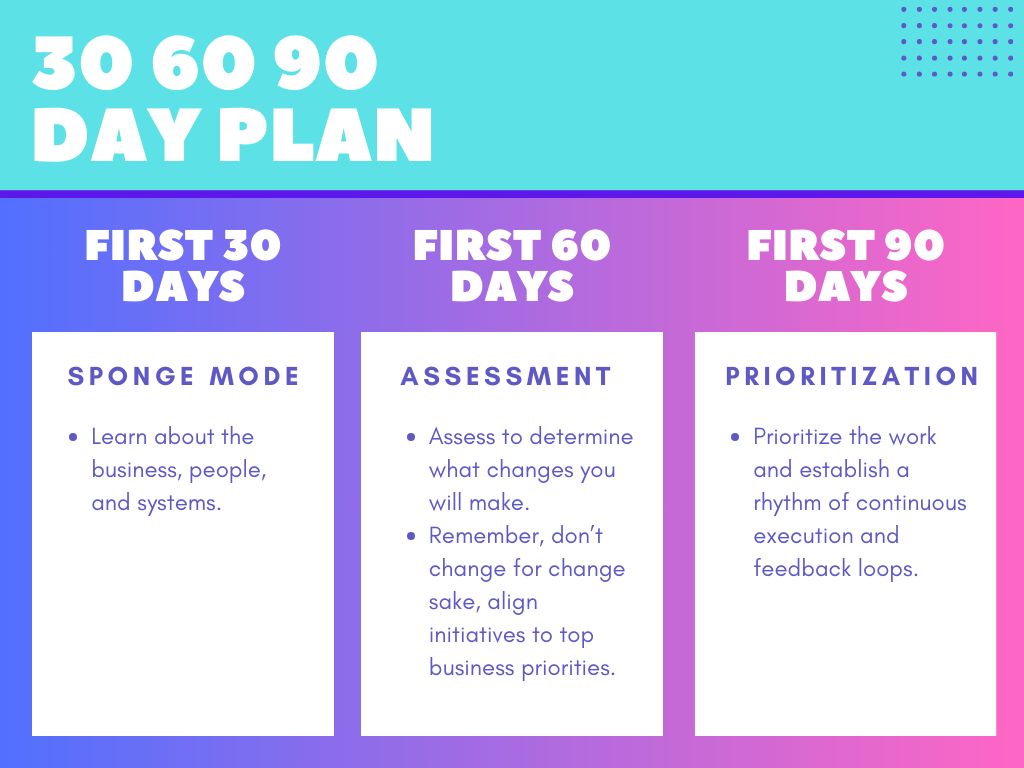
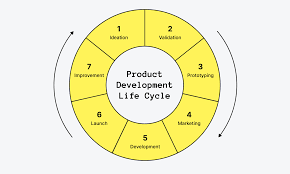
Visual Framework: The 90-Day Post-Launch Loop

Stability
→ Learning
→ Iteration
→ Focused Growth
Each phase feeds the next. Skipping a step breaks the loop.
Common Post-Launch Mistakes to Avoid
- Treating launch as “done”
- Shipping features before fixing friction
- Ignoring support signals
- Overreacting to single-user feedback
- Waiting too long to decide
The goal after product launch is momentum—not perfection.
FAQs: After Product Launch
What is a post-launch strategy?
A post-launch strategy defines how teams monitor, support, learn from, and improve a product in the weeks and months after release.
Why are the first 90 days after launch critical?
This is when real user behavior emerges. Decisions made here shape retention, roadmap focus, and long-term success.
How soon should you release updates after launch?
Critical fixes should ship immediately. Improvements should follow a short, predictable cadence.
What metrics matter most after launch?
Activation, retention, support volume, and performance stability matter more than vanity metrics early on.
Should marketing pause after launch?
No. Messaging should evolve based on what you learn, not stop entirely.
Conclusion: Launch Is a Starting Line, Not a Finish Line
The best teams treat launch as the beginning of learning—not the end of work.
A disciplined after product launch plan helps you:
- Build trust with users
- Improve faster than competitors
- Focus on what actually drives value
If you invest in the first 90 days, the next year gets easier.