What Is Context Engineering?

AI systems don’t fail because models are weak.
They fail because context is missing, wrong, stale, or unsafe.
As organizations move from single-turn prompts to agentic AI systems that plan, reason, and act autonomously, context becomes the real bottleneck. This is where context engineering enters the picture.
Context engineering is the discipline of designing, sourcing, structuring, governing, and delivering the right context to AI systems—at the right time, in the right format, with the right constraints.
What Is Context Engineering?
Context engineering is the practice of systematically providing AI systems with relevant, reliable, and governed context so they can reason and act correctly.
Unlike prompt engineering, which focuses on wording, context engineering focuses on systems.
It answers questions like:
- What data should this AI see?
- From which sources?
- In what structure?
- With what permissions?
- Under what constraints?
In software engineering terms, context engineering defines the operating environment in which AI agents function.
Plug-and-Play Development Talent for Your Team
Why Context Engineering Matters for Agentic AI
Traditional AI tools respond to single inputs.
Agentic AI systems plan, retrieve, decide, and execute across multiple steps.
Without engineered context, agentic systems:
- Hallucinate decisions
- Use outdated information
- Break compliance rules
- Lose state across actions
The Shift From Prompts to Context Systems
Prompt engineering assumes:
- Static inputs
- Human-in-the-loop control
Context engineering assumes:
- Dynamic environments
- Autonomous decision-making
- Continuous state and memory
This shift mirrors the evolution from scripts to distributed systems.
Context Engineering vs Prompt Engineering
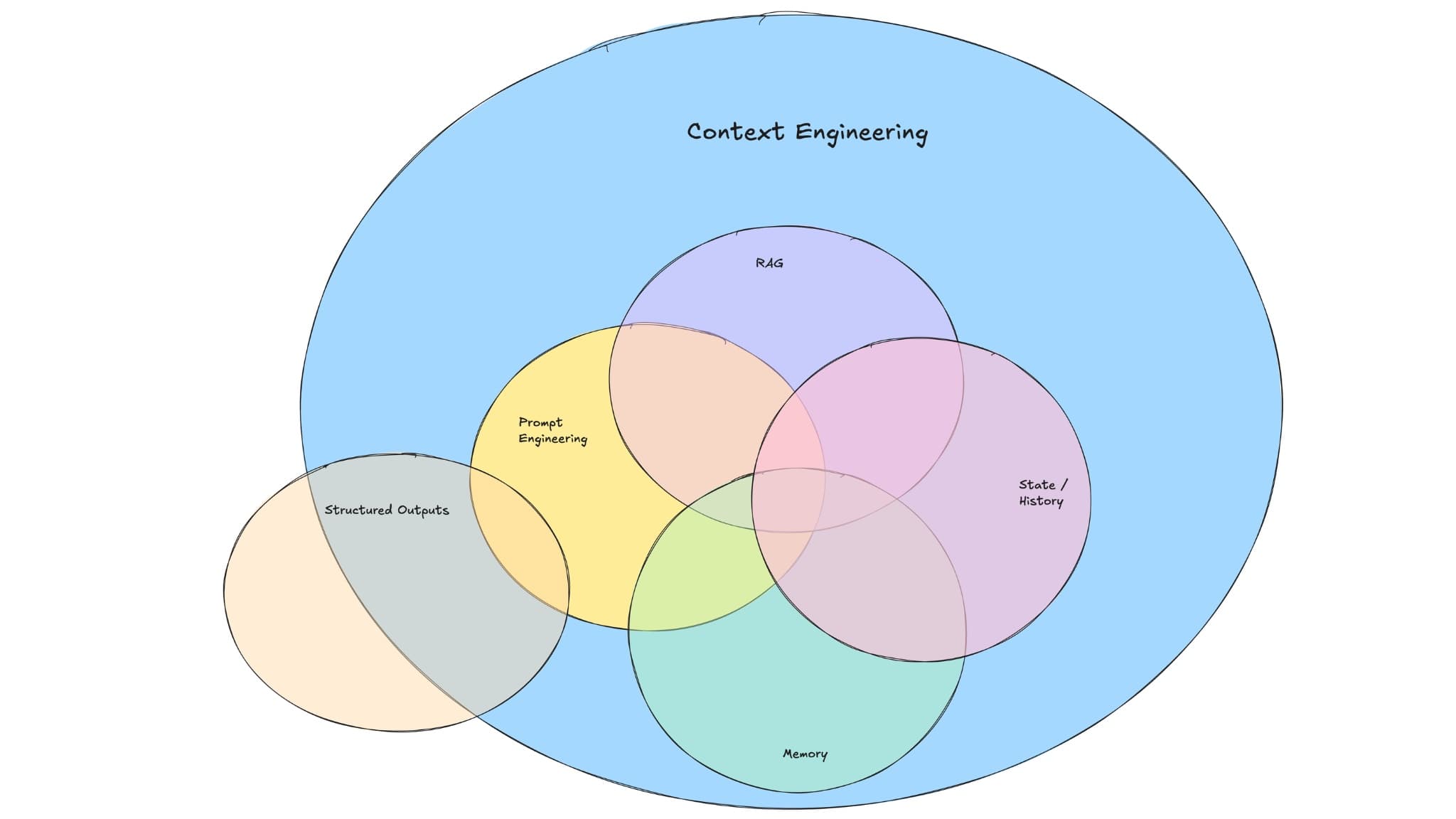
Prompt engineering is a subset of context engineering.
Here’s the difference that matters:
Prompt engineering optimizes how you ask.
Context engineering controls what the system knows.
In practice, context engineering governs:
- Retrieval pipelines
- Memory layers
- Access controls
- Data freshness
- Lineage and provenance
Prompt text becomes just one small input among many.
WorkSub - 30% cost savings vs traditional agencies
Core Components of Context Engineering
Context Sources
AI systems pull context from multiple layers:
- Structured databases
- Unstructured documents
- APIs and event streams
- User state and history
- System policies and constraints
The challenge is not access—it’s relevance.
Context Models in Software Engineering
In systems engineering, a context model defines system boundaries and external interactions.
In AI, context models define:
- What the agent can observe
- What it can act upon
- What it must ignore
This is closely related to systems engineering context diagrams, but extended to data, memory, and permissions.
Context Diagrams in Software and Systems Engineering
A context diagram shows how a system interacts with its environment.
In AI systems, context diagrams now include:
- Knowledge sources
- Memory stores
- Policy engines
- Tool interfaces
- Human oversight loops
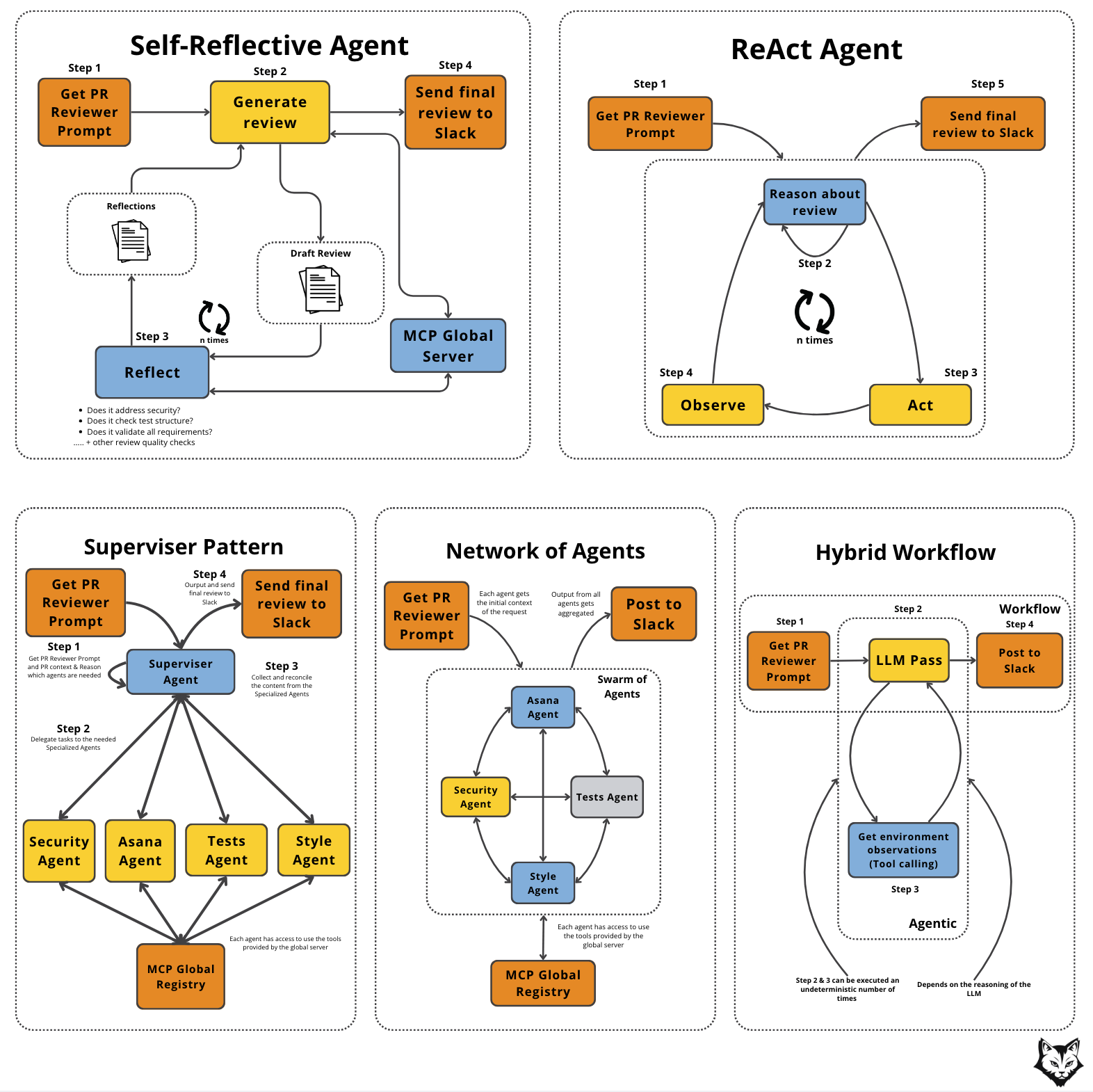
This diagrammatic thinking is essential for scaling AI safely.
The Context Engineering Enclosure
One of the most important ideas in modern context engineering is the context enclosure.
A context enclosure defines:
- What information an AI agent is allowed to access
- Under what conditions
- For what duration
- With what auditability
Think of it as a sandboxed reality for an AI system.
Why Context Enclosures Matter
Without enclosures:
- Agents overreach
- Sensitive data leaks
- Decisions become untraceable
With enclosures:
- Context is scoped
- Actions are explainable
- Compliance becomes enforceable
This is foundational for enterprise adoption.
Context Engines and Context-Based Search
A context engine orchestrates how context is selected, assembled, and delivered to an AI system.
It goes beyond simple retrieval.
What a Context Engine Does
- Ranks relevance based on task and state
- Filters by permissions and policy
- Resolves conflicts across sources
- Injects temporal awareness (what’s current vs historical)
This is why context-based search engines outperform keyword search in AI workflows. They understand why information is needed, not just what was asked.
Context Engineering for Enterprise AI
Enterprises face unique challenges:
- Massive data sprawl
- Inconsistent data quality
- Regulatory obligations
- Multiple AI agents operating in parallel
Context engineering becomes a governance problem as much as a technical one.
Data Readiness Requirements
Before deploying agentic AI, enterprises must address:
- Data quality and validation
- Lineage and provenance
- Access control and RBAC
- Retention and expiration rules
Without this foundation, AI autonomy becomes a liability.
Common Failures in Context Engineering
Most early failures fall into predictable patterns:
- Treating context as “just retrieval”
- Ignoring data freshness
- Mixing privileged and public data
- Lacking audit logs
- Overloading agents with irrelevant context
More context is not better context.
How to Start Practicing Context Engineering
You don’t need to rebuild everything at once.
Start with:
- Clear context boundaries per use case
- Explicit allowed data sources
- Versioned context schemas
- Monitoring for context drift
This mirrors how mature teams adopted DevOps—incrementally, but intentionally.
FAQs: Context Engineering Explained
What is context engineering in AI?
Context engineering is the practice of designing and governing the information environment AI systems use to reason and act.
How is context engineering different from prompt engineering?
Prompt engineering focuses on wording inputs. Context engineering controls data sources, memory, permissions, and system state.
Why is context engineering important for agentic AI?
Agentic AI systems operate autonomously. Without engineered context, they make unsafe or incorrect decisions.
What is a context diagram in systems engineering?
A context diagram shows how a system interacts with external entities. In AI, it includes data, tools, and policies.
What is a context engine?
A context engine selects, filters, and assembles relevant context for AI systems based on task and state.
Conclusion: Context Engineering Is the Real AI Moat
Models are becoming commodities.
Compute is becoming cheaper.
Context engineering is where durable advantage lives.
Teams that invest early in context models, enclosures, and engines will ship safer, smarter, and more scalable AI systems—while others struggle with hallucinations and risk.
If you’re building agentic AI, context engineering isn’t optional. It’s the foundation.